









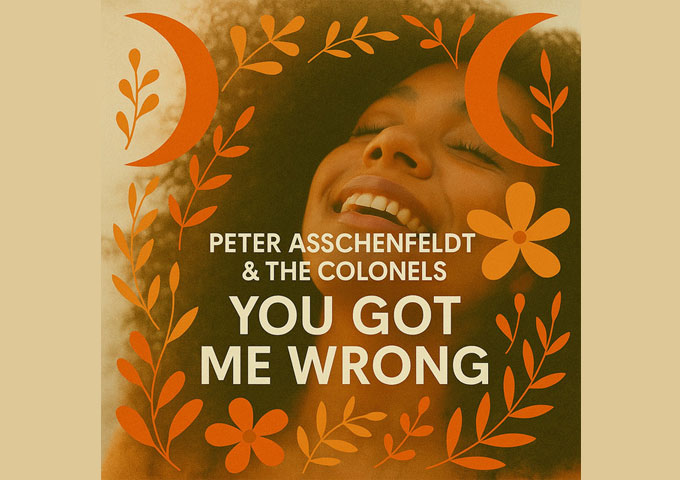
A relationship on the brink of falling apart provides the emotional foundation for a richly textured soul production. Peter Asschenfeldt & The Colonels combine classic influences with a vibrant, contemporary sensibility. Warm instrumentation, infectious rhythms, and an instantly memorable melody give the single its unmistakable appeal. Beneath its upbeat musical character lies an honest story of regret, vulnerability, and the desire to make amends. With its growing popularity among international line-dancing communities, “You’ve Got Me Wrong” is finding its way onto dance floors far beyond Denmark.
A compelling combination of musical sophistication, infectious rhythm, and emotional sincerity gives Peter Asschenfeldt & The Colonels‘ “You’ve Got Me Wrong” its considerable appeal. Drawing from the golden traditions of retro soul while embracing the clarity and polish of contemporary production, the single brings together everything that makes timeless popular music so enduring: a melody that immediately catches the ear, an irresistible groove, expressive musicianship, and a relatable story that reaches beyond the boundaries of any particular generation. Yet beneath its inviting, feel-good exterior, the song explores something considerably more complicated: the painful realization that a relationship can deteriorate through misunderstandings and personal mistakes, and the difficult decision to fight for another opportunity rather than accept its demise.
Written and composed by Danish singer-songwriter Peter Asschenfeldt, “You’ve Got Me Wrong” approaches romantic conflict from the perspective of someone who recognizes that things have gone badly off course. Its central message revolves around regret, reconciliation, and the willingness to acknowledge one’s own contribution to a relationship’s difficulties. Rather than presenting heartbreak as an irreversible conclusion, the song leaves room for forgiveness, suggesting that emotional mistakes do not necessarily have to define the future of two people who still care about each other.
The title itself establishes an interesting emotional tension. Being misunderstood can be deeply frustrating, particularly when someone feels that their intentions, feelings, or actions have been interpreted in an entirely different way. However, the song’s underlying narrative goes beyond simply accusing another person of getting things wrong. Its emotional substance comes from the recognition that communication can break down on both sides, leaving affection buried beneath disappointment and accumulated resentment. This creates an appealing balance between defending one’s feelings and accepting the responsibility required to repair what has been damaged.
The lyrical perspective is particularly effective because it connects romantic vulnerability with a universal human experience. Most relationships encounter moments when pride, frustration, or poor communication prevent people from expressing what they genuinely mean. Sometimes the damage comes not from an absence of love but from an inability to understand one another at the right moment. Against this backdrop, the song’s desire for forgiveness becomes more than a conventional romantic gesture. It represents an attempt to move beyond the immediate hurt, reconsider the relationship, and recognize that something meaningful may still be worth saving.
Importantly, the emotional direction remains hopeful rather than excessively melancholic. The narrative acknowledges the consequences of mistakes without becoming trapped in self-pity, giving the song an uplifting quality that complements its musical character. Its appeal lies in that contrast: the subject matter is rooted in romantic uncertainty, but the performance and arrangement communicate movement, optimism, and an unmistakable appetite for life. It is the sound of someone refusing to let regret have the final word.
Musically, Peter Asschenfeldt & The Colonels establish their identity through a vibrant arrangement that draws naturally from classic soul, funk, disco, and melodic pop. The production has a generous sense of space and warmth, allowing the individual instrumental elements to contribute to a cohesive, full-bodied sound. Rather than relying on nostalgia alone, the track uses familiar musical traditions as the foundation for something polished and immediately accessible. Its retro character feels celebratory rather than imitative, preserving the personality of earlier soul recordings while benefiting from contemporary production standards.
The musicianship is an especially important part of that achievement. Swedish drummer Per Lindvall provides the rhythmic foundation, while guitarist Vicky Singh adds instrumental color and melodic character. Percussionist Jacob Andersen further enriches the groove, helping create the kind of rhythmic momentum that makes the track particularly inviting for dancing. The addition of a full horn section brings another dimension to the arrangement, supplying the bold, expressive accents that have always been central to the most memorable soul and funk productions.
These contributions give “You’ve Got Me Wrong” an engaging musical personality. The instrumentation feels deliberately expansive, yet the arrangement maintains the accessibility of a well-crafted pop song. Its groove is lively without becoming overwhelming, while the combination of rhythmic precision, melodic warmth, and brass-driven energy gives the production a distinctly celebratory atmosphere. The result is a track that can appeal equally to listeners seeking sophisticated retro-inspired soul and audiences drawn to melodic adult contemporary pop.
Interestingly, the song’s reception within international line-dancing communities demonstrates how effectively its rhythmic qualities translate beyond conventional radio listening. Dancers have embraced “You’ve Got Me Wrong,” creating their own choreographies and bringing it to dance floors well beyond its Danish origins. This response is particularly fitting because the track possesses the steady rhythmic character, accessible melodic structure, and infectious energy that make music especially enjoyable in a shared social setting. Its growing presence in this community also highlights an important aspect of successful songwriting: a genuinely engaging composition can find unexpected audiences when its musical qualities invite participation.
The broader creative identity behind Peter Asschenfeldt & The Colonels is rooted in a similar appreciation for timeless songwriting. Led by Peter Asschenfeldt, the project brings together experienced musicians from Denmark and abroad, drawing inspiration from several decades of popular music while maintaining a recognizable contemporary sensibility. Over the past decade, Asschenfeldt has developed an extensive songwriting repertoire in both Danish and English, exploring everything from upbeat, groove-oriented compositions to more reflective observations about love, relationships, and human connection.
“You’ve Got Me Wrong” brings these different creative instincts together particularly convincingly. Its production celebrates the physical pleasure of a great groove, while its lyrical narrative gives the listener something more substantial to connect with. It understands that memorable soul music does not need to sacrifice emotional depth for accessibility, or musical sophistication for an immediate hook.
Ultimately, Peter Asschenfeldt & The Colonels have delivered a single that balances heartfelt storytelling with an irresistible retro-soul sensibility. “You’ve Got Me Wrong” is about recognizing mistakes, overcoming misunderstandings, and finding the courage to ask whether love deserves another chance. With its rich instrumental arrangement, infectious rhythmic character, and optimistic outlook, the song offers an appealing reminder that reconciliation can begin when people are willing to listen, understand, and leave the door open to something better.
OFFICIAL LINKS: SPOTIFY


